.png)


A Practical Guide to Comparing Backyard Fence Types

Popular Types of Fences for Backyard Security, Privacy, and Style
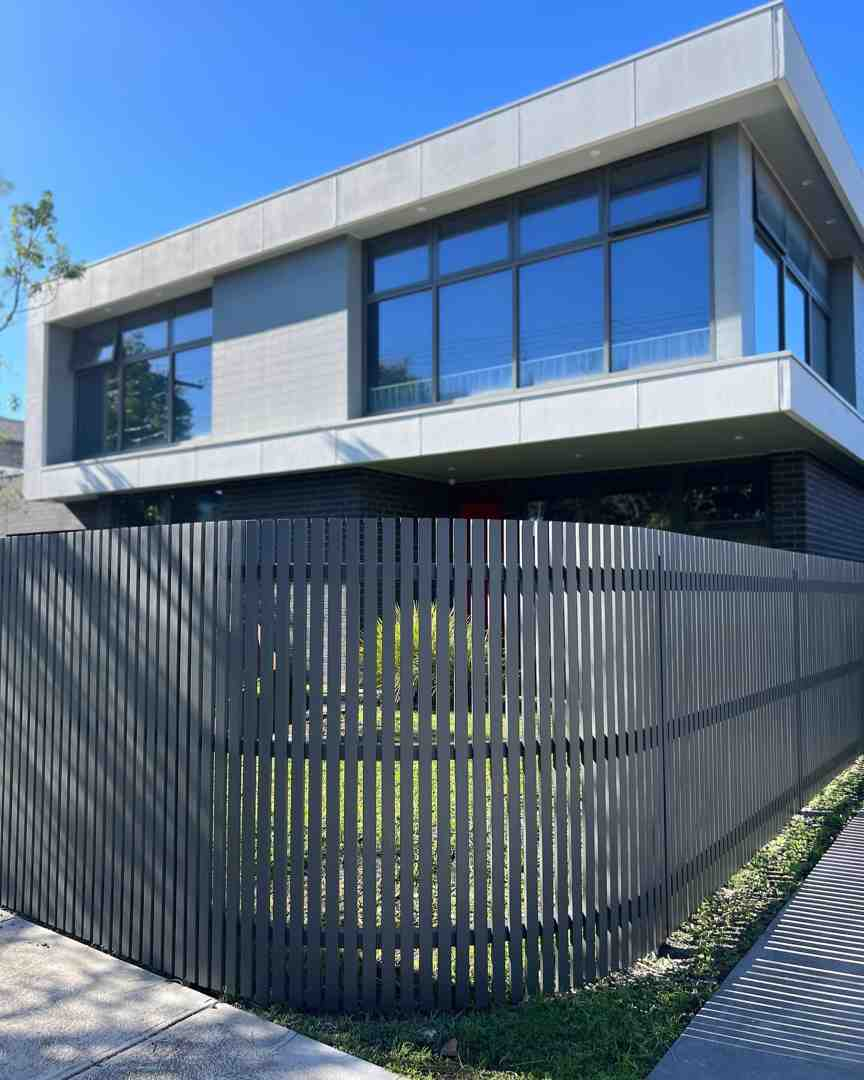
The main types of fences for backyard projects are treated pine paling, standard Colorbond, Mini Orb Colorbond, louvre screens, and tubular steel or aluminium. Treated pine paling suits classic private boundaries, while Colorbond and Mini Orb provide solid, low-maintenance screening. Louvre screens offer modern directional privacy, and tubular systems suit front boundaries, internal partitions, and gates where open sightlines matter. The right choice depends on whether privacy, security, kerb appeal, or low upkeep is your priority.
A well-planned boundary can turn an exposed lawn into a more private, secure outdoor space while complementing your home’s street appeal. When exploring backyard fencing solutions, different materials solve different household problems. Some homeowners need full visual screening from multi-storey neighbours, while others want sleek lines that frame garden greenery. We can help you select a system that suits your lifestyle and property layout.
Comparing Classic Wood and Timber Designs

Timber remains a timeless choice across Melbourne suburbs like Glen Iris, Blackburn, and Ivanhoe. Paling and picket options are classic privacy solutions available in timber or steel frames, offering great structural flexibility and natural warmth.
When weighing timber vs colorbond fencing options, timber stands out for its customisation. Paling fences can feature overlapping treated pine boards for full privacy, or a shadowbox good-neighbour layout that alternates palings on either side of the rails. This shared style ensures both you and your neighbour enjoy a finished timber face.
Treated pine resists decay and fungal attack, making it a dependable backbone for Melbourne yards. While timber requires ongoing care like staining or painting every few years to keep moisture out, its organic texture complements classic period homes and leafy landscapes effortlessly.
Evaluating Low-Maintenance Metal and Colorbond Types of Fences for Backyard Privacy

For homeowners who prefer zero upkeep, steel and aluminium fencing offer exceptional longevity. Our metal fences Melbourne complete guide explores how modern steel boundaries withstand Melbourne's dramatic four-seasons-in-one-day climate without warping or rotting.
Standard Colorbond steel panels deliver continuous boundary coverage with crisp vertical lines. For a distinct architectural upgrade, we offer Mini Orb Colorbond profiles. This tighter, corrugated profile creates subtle texture and shadow lines, making it an ideal feature boundary for modern outdoor living areas.
COLORBOND® steel is non-combustible, fire-resistant, and entirely rot-proof. It never requires painting or staining, making it arguably the best type of privacy fence for busy households. For an ultra-modern aesthetic, louvre screens and aluminium battens provide clean architectural lines, excellent directional screening, and zero upkeep. Beyond solid panel boundaries, tubular steel and aluminium systems work perfectly for internal garden partitions, front boundaries, and automated driveway entrances where open sightlines and security are key.
Analysing Other Common Fence Styles and Uses
Across different properties, varying priorities shape boundary selection. While solid privacy walls are common for standard residential boundaries, properties in semi-rural pockets like Coldstream, Lilydale, or Flinders often incorporate open rail fencing or wire mesh to outline boundaries without obstructing expansive garden views.
For secure access points, pairing your perimeter with automated gates elevates both daily convenience and site protection. Swing, sliding, and telescopic gate systems integrate smoothly into steel or timber boundary runs, allowing easy vehicle entry while maintaining a cohesive aesthetic. On commercial properties, schools, and larger developments, heavy-duty palisade and safety-compliant security designs deliver uncompromising perimeter control.
Key Factors Influencing Durability, Property Value, and Installation Costs
A boundary fence is an investment in your home. Quality craftsmanship and durable materials can add significant value to a property, while an unstable, poorly built fence detracts from curb appeal. When calculating your investment, considering the Total Cost of Ownership matters far more than just initial material prices.
Material Option | Maintenance Level | Privacy Level | Best Suited For |
Treated Pine Paling | Moderate (periodic staining) | High (solid overlap) | Traditional suburban homes and natural gardens |
Standard Colorbond | Very Low (occasional wash) | Complete | Low-maintenance residential boundaries |
Mini Orb Colorbond | Very Low (occasional wash) | Complete | Modern architectural backyards and feature walls |
Louvre Screens & Battens | Very Low (zero painting) | High to Semi-Private | Contemporary architectural screening and boundary accents |
Tubular Steel & Aluminium | Low (powder-coat protection) | Open to Semi-Private | Front boundaries, pet runs, and security gates |
Every project requires tailored planning because site variables directly influence project scope. Understanding what affects fencing installation price outcomes involves assessing several site conditions:
Melbourne Reactive Clay: Local clay soils expand when wet and contract during dry summers, demanding deep, solid concrete footings to prevent post movement.
Terrain and Slopes: Stepped or raked panels are necessary on sloped land across hilly suburbs like Donvale and Doncaster to maintain continuous boundary protection.
Site Access: Tight pathways, heavy vegetation, or difficult side access in inner-city spots like Carlton, Fitzroy, and Northcote require careful logistical handling.
Custom Details: Integrated automated gates, custom post caps, and bespoke layout transitions add functionality while altering overall project scope.
Navigating Melbourne Regulations and Good Neighbour Boundaries
Before starting any backyard fencing project, understanding local compliance helps you avoid costly boundary disputes. In Victoria, boundary fences between private properties are governed by the Fences Act 1968, which outlines shared cost responsibilities and formal notice procedures between adjoining neighbours.
Standard residential boundary fences in Victoria generally sit at a maximum height of 2.0 metres above natural ground level without requiring special council approval, though specific suburb overlays across councils like Boroondara, Yarra, or Port Phillip can differ. Locating underground assets like gas, water, stormwater, and power lines before digging post holes is also vital for site safety. Taking the time to review local boundary requirements ensures your new installation stands securely for years to come.
Build a Lasting Backyard Boundary With MAKE Fencing

Transforming your backyard starts with selecting a fencing design engineered for your specific property and lifestyle. As a family-owned Melbourne fencing specialist with over a decade of hands-on experience, we focus on providing high-quality, durable craftsmanship built to withstand Victorian weather.
To get started on your residential fencing project, all enquiries must be submitted directly through our website. Once you send through your project details, we generate an initial map-based quotation clearly displaying the exact perimeter boundaries being quoted. Because every property features unique access, soil, and slope variables, we provide fully bespoke pricing for every project. We do not conduct physical property surveys or on-site assessments by default, though an in-person site visit can be arranged for a fee upon request.
Ready to upgrade your backyard privacy and security? Visit our contact page to submit your project details and receive your tailored, map-based quote today.


