.png)


Common Fencing Mistakes: Beginner's Guide

The 5 Most Common Fencing Mistakes Melbourne Homeowners Make
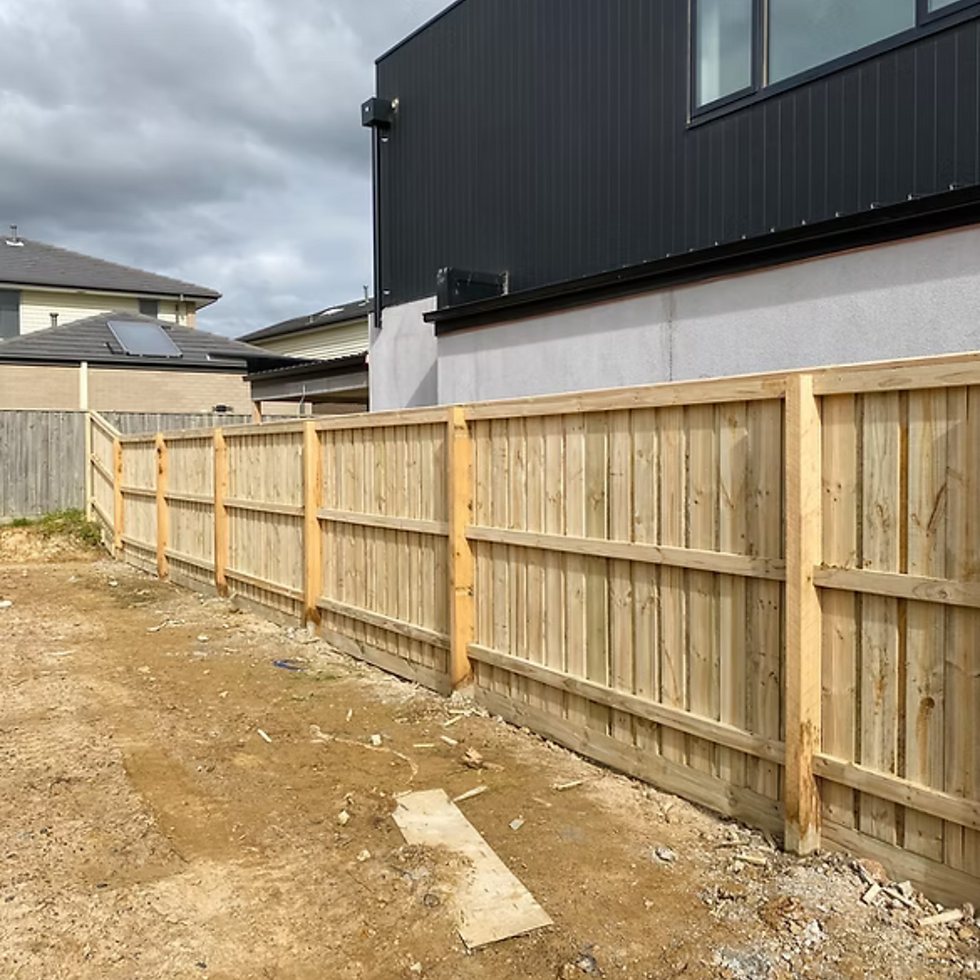
The most common fencing mistakes Victorian homeowners make come down to five key issues:
Boundary and Council Errors: The Most Common Fencing Mistakes - building without permits or on the wrong property line
Shallow Post Depth: Structural Common Fencing Mistakes - posts not set deep enough for Melbourne's reactive clay soils
Climate-Inappropriate Material Selection - choosing timber or metal that can't handle Melbourne's weather
Poor Gate Placement and Design Flaws - gates that sag, block access, or don't drain properly
Inadequate Grounding in Rural Farm Fencing - undersized energisers and poor grounding on farm properties
Even a small oversight during planning can mean costly repairs, disputes with neighbours, or a fence that fails well before its time. Melbourne's conditions make this even more true. Reactive clay soils, variable weather, and strict local council rules all create challenges that don't apply elsewhere in the country.
Take boundary errors alone. Around 23% of fence projects nationally require modifications due to code violations. In Victoria, getting this wrong doesn't just cost money, it can damage your relationship with neighbours and trigger legal headaches under the Fencing Act 1968.
I'm Jake Bunston, founder of Make Fencing, and after more than seven years installing fences across Melbourne, I've seen these common fencing mistakes repeat themselves on job after job. In this guide, I'll walk you through each one so you can avoid them from the start.
5 Common Fencing Mistakes to Avoid in Victoria
Building a fence in Melbourne is very different from building one in other parts of the world. Our local climate ranges from blistering summer heat to sudden, heavy downpours in winter. These rapid weather changes place immense stress on your outdoor structures.
When you combine our climate with Melbourne’s notorious reactive clay soils—which expand when wet and shrink when dry—you have a recipe for structural failure if your fence isn't installed perfectly. We often see homeowners overlook these environmental factors, leading to leaning posts, warped palings, and gates that no longer latch.
Before you start digging, you must also understand how local council rules affect your plans. What works in Carlton might not meet the overlays in Doncaster or Beaumaris. Skipping this step is one of the most critical Fence Design Mistakes to Avoid because councils have strict guidelines regarding front fence heights and boundary setbacks.
To help you choose the right path, we have put together a quick durability comparison for the most popular materials in Melbourne:
Material | Durability in Melbourne Weather | Maintenance Level | Best Suited For |
Treated Timber Paling | Moderate (10–15 years; prone to rot if in direct contact with wet clay) | Medium (Requires regular sealing/staining) | Classic residential boundaries, privacy |
COLORBOND® Steel | Very High (20–30 years; fire-resistant and won't warp) | Low (Occasional washdown) | Modern suburban homes, low-maintenance boundaries |
Aluminium Slat / Feature | Excellent (Rust-free; ideal for coastal and high-moisture areas) | Low (Wipe down occasionally) | Front feature fences, modern architectural styles |
1. Boundary and Council Errors: The Most Common Fencing Mistakes
The single most expensive mistake you can make is putting your fence in the wrong spot. Many homeowners assume they know where their property line is based on existing old fences or garden beds. However, older fences are frequently misaligned.
In Victoria, the Fencing Act 1968 governs how boundary fences are paid for and built. If you build a fence even a few centimetres onto your neighbour’s land, they have the legal right to demand you tear it down at your own expense. To avoid costly boundary disputes, we always recommend hiring a registered land surveyor to mark the exact property boundaries before starting any work.
Beyond neighbour disputes, local councils like the Manningham Council have strict regulations on what you can build. Approximately 23% of DIY fence projects require modifications due to code violations, usually because the front fence is too high or blocks the line of sight for turning vehicles on corner blocks. For example, in many Melbourne suburbs, front fences taller than 1.2 to 1.5 metres require a specific council permit.
Before purchasing any materials, we highly recommend checking if you need a building permit. If you are unsure whether to tackle this complex process yourself, reading our guide on whether you Can You Install Your Own Fence can help you decide when to call in the professionals.
2. Shallow Post Depth: Structural Common Fencing Mistakes
A fence is only as strong as its foundation. The most common structural failure we see in Melbourne is shallow post holes. Many DIY builders dig down 300mm or 400mm, pour in some concrete, and assume the post is secure.
In Melbourne’s reactive clay soils—especially on sloping blocks in places like Doncaster and Donvale—shallow posts will quickly shift. As the clay expands and contracts with the seasons, it pushes shallow concrete footings upward and outward. When you add Melbourne's heavy wind loads, a shallow-set fence acts like a giant sail, leaning over or collapsing entirely during a winter storm.

To prevent this, you should set your fence posts at a depth equal to at least one-third of the post’s total length. For a standard 1.8-metre paling fence, your post holes should be at least 600mm to 900mm deep.
We also slope the top of each concrete footing away from the post at ground level. That simple detail helps water run off instead of sitting around the base of the timber, which can significantly extend the life of your fence posts.
3. Climate-Inappropriate Material Selection
Choosing your fencing material purely based on upfront cost or looks is a major trap. Melbourne’s weather is highly unpredictable. Timber fences are beautiful and classic, but if you use untreated timber or cheap hardware, the high humidity and wet winters will cause the wood to rot, warp, and twist within just a few years.
If you want a classic timber look, we suggest using premium treated timber like Merbau or treated pine, and always pairing it with hot-dipped galvanised or stainless steel fasteners to prevent rust stains.

For those looking for a low-maintenance, highly durable option, COLORBOND® steel is an exceptional choice. It is fire-resistant, rot-proof, and designed to withstand the harsh Australian sun without fading or warping. When comparing the "Total Cost of Ownership," premium materials like COLORBOND® steel or custom metal fabrication often provide far better long-term value than cheap timber, as they save you thousands of dollars in maintenance, painting, and premature replacement costs.
To see how different materials stack up against each other under local conditions, take a look at our comprehensive Fence Material Comparison.
4. Poor Gate Placement and Design Flaws
Gates are the only moving parts of your fencing system, meaning they experience the most wear and tear. A poorly designed or badly placed gate will quickly become a headache.
The most common mistake is building a gate with a timber frame. Over time, gravity and moisture will cause a timber-framed gate to sag, drag along the ground, and refuse to latch. We always build our gates using heavy-duty, welded metal frames to ensure they remain perfectly square and swing smoothly for decades.

Another common issue is neglecting driveway access and drainage. If you are installing automated gates in suburbs like Balwyn or Glen Iris, you must ensure the ground beneath the gate is level and drains away from the motor and track. Standing water will quickly ruin expensive automation electronics.
You also need to think about future access. Will you need to get a ride-on mower, a boat, or a delivery vehicle into your backyard later? If so, your gate opening must be wide enough from day one. To learn more about getting your gate design right, read our advice on Quality Fencing Expert Installation.
5. Inadequate Grounding in Rural Farm Fencing
For properties on Melbourne's outer fringes, such as Coldstream, Lilydale, or Flinders, farm fencing is essential for keeping livestock secure and managing local wildlife. However, installing rural wire or electric fencing comes with its own unique set of challenges.
The absolute number-one mistake made with electric farm fencing is poor grounding. An electric fence works by completing a circuit when an animal touches the wire, sending a shock down through the earth back to the grounding rods. If your grounding system is inadequate, the fence simply will not deliver a shock, leaving your livestock free to push through.
You need at least three feet of ground rod per joule of energiser output, with the rods spaced at least 10 feet apart. Additionally, using an undersized energiser is a common error; we recommend a minimum guideline of 1 joule of output per mile of fence to ensure the current can power through heavy vegetation.
When planning a rural boundary, think beyond the fence line itself. One common mistake is choosing a design that does not suit the land, stock, or access needs. Poor layout, weak bracing, and the wrong materials can all lead to ongoing repairs and lower performance. For more on choosing the right approach, see Choosing a Fence.
Secure Your Property with Melbourne's Premium Fencing Experts

At MAKE Fencing, we believe a great fence is an investment that should enhance your home’s security, privacy, and kerb appeal for decades. By avoiding these common fencing mistakes and working with an experienced team, you can save yourself time, money, and stress.
As a family-owned Melbourne business, we pride ourselves on exceptional customer service, tailored designs, and premium craftsmanship. Whether you need a classic timber paling fence in Northcote, a modern COLORBOND® boundary in Bentleigh, or custom automated gates in Brighton, we have the local expertise to get the job done right the first time.
Once your new fence is up, keeping it in top shape is easy with our practical Maintenance Tips.
Ready to transform your property with a beautiful, durable custom fence? Skip the DIY guesswork and let our expert team handle the planning, council checks, and heavy digging for you. Contact MAKE Fencing today to discuss your project and get a detailed, accurate quote tailored to your property.
Frequently Asked Questions About Fencing in Melbourne
Do I need council permission to build a fence in Melbourne?
It depends on your local council and the type of fence. Generally, standard side and rear boundary fences under 2 metres do not require planning permission. However, front fences, fences on corner blocks (which can block traffic visibility), and fences in heritage overlay areas often have strict height limits (usually 1.2m to 1.5m) and require council approval. Always check with your local council, such as the Manningham Council if you live in Doncaster or Donvale, before starting.
How deep should fence posts be in Melbourne's clay soil?
Because Melbourne has highly reactive clay soils, fence posts should be set to a depth of at least one-third of the height of the fence. For a standard 1.8-metre fence, your post holes should be dug between 600mm and 900mm deep and filled with high-quality concrete footings sloped at the top to shed water.
Who pays for a shared boundary fence in Victoria?
Under the Fencing Act 1968, neighbours are generally required to contribute equally (50/50) to the cost of a "sufficient" boundary fence. Before starting any work or purchasing materials, you must issue your neighbour with a formal Fencing Notice detailing your proposed design, materials, and cost estimates.
What is the best low-maintenance fence material for Melbourne weather?
COLORBOND® steel and aluminium slat fencing are the best low-maintenance options for Melbourne's variable climate. Unlike timber, they do not require regular painting, staining, or sealing, and they are completely resistant to rot, warping, and pests. For help deciding on the perfect option for your home, read our guide on Choosing a Fence.


