


Choosing Between Steel and Timber Fencing for Your Melbourne Home

Steel or timber fencing: which suits your Melbourne home?

Steel is usually the lower-maintenance choice for a Melbourne home. It resists termites and will not rot, though the right coating matters. Timber gives you a natural look, but moisture and pests can mean more upkeep. The better choice depends on your home's style, your site and how much maintenance you want to take on.
At MAKE Fencing, we have spent years helping Melbourne homeowners choose between steel and timber fencing. We will compare how each material performs, the maintenance it requires, and the long-term value it can offer your home.
Melbourne Steel vs Timber Fence: Comprehensive Comparison

When upgrading a boundary line in suburbs like Balwyn, Coburg, or Bentleigh, selecting the correct material sets the tone for your outdoor living space. Fencing does more than simply mark your property boundaries. It delivers daily security, privacy from neighbours, and serious kerb appeal.
Selecting between steel and timber comes down to understanding how each material behaves in our local environment. Melbourne presents unique challenges, from reactive clay soils that shift between seasons to unpredictable weather patterns that bring damp winters and scorching summer afternoons.
Durability and Climate Resistance: Melbourne Steel vs Timber Fence

Melbourne is famous for experiencing four seasons in one day. Rapid temperature swings, winter downpours, and hot summer sun put boundary materials under continuous stress.
Steel panels provide exceptional strength and fire resistance. They do not warp, splinter, or shrink when the weather shifts. In coastal suburbs such as Port Melbourne, Brighton, and Beaumaris, airborne salt creates a harsher environment. For properties near the bay, we recommend Colorbond Ultra Steel. This specialised grade is engineered specifically for coastal conditions, preventing premature corrosion and keeping your boundary secure against salt spray.
Timber fencing, including traditional treated pine palings, brings organic warmth to a garden. However, wood is naturally porous. In Melbourne's eastern and northern suburbs, damp soil and heavy winter rains allow moisture to penetrate unsealed palings. Over time, this causes timber palings to cup, warp, or develop fungal rot at the ground line.
Termites are another critical consideration. Subterranean termites are active throughout many Melbourne suburbs. Steel is completely impervious to insect attacks. Timber requires chemical treatments, such as H4 or H5 pressure treatment for in-ground posts, to deter pests. Even treated timber requires ongoing vigilance to prevent insect damage over the years.
To review how different materials perform across various environmental factors, take a look at our fence material comparison.
Performance Feature | Steel Fencing (COLORBOND®) | Timber Fencing (Treated Pine / Hardwood) |
Expected Lifespan | 25 to 30+ years | 12 to 20 years |
Termite Resistance | 100% immune | Requires chemical treatment |
Rot & Moisture Resistance | Will not rot or absorb water | Susceptible to ground rot and warping |
Coastal Salt Air Performance | Excellent (with Colorbond Ultra Steel) | Moderate (metal fasteners may corrode) |
Routine Maintenance | Occasional wash down with water | Regular staining, painting, and sealing |
Bushfire Resistance | Non-combustible | Combustible |
Upfront Costs and Long-Term Value: Melbourne Steel vs Timber Fence
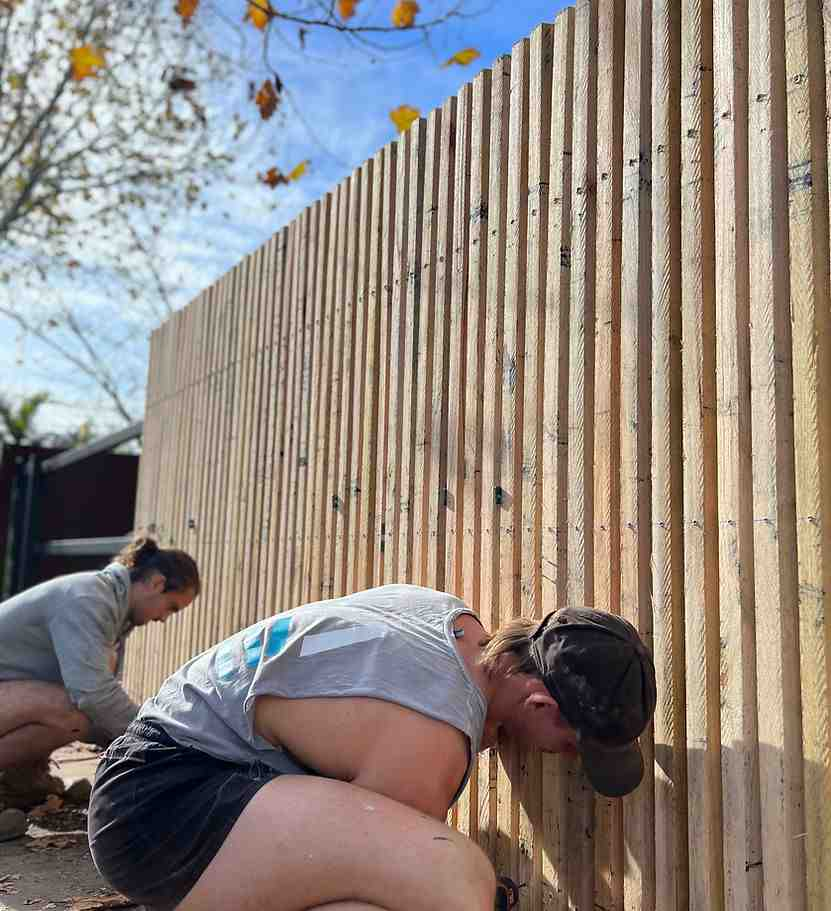
When weighing up project costs, it is essential to look beyond the initial construction and consider the total cost of ownership over several decades.
At MAKE Fencing, we do not provide generic flat rates. Every property across Melbourne is unique, and we calculate fully bespoke pricing based on specific site variables. Factors that influence your quotation include:
Site Access: Difficult narrow access down side passages in inner suburbs like Carlton or Fitzroy.
Ground Conditions: Excavating post holes in dense, reactive Melbourne clay versus sandy coastal soils.
Terrain and Slopes: Stepped or raked panels required for sloping blocks across Donvale, Doncaster, or Lilydale.
Material and Profile Upgrades: Choosing architectural profiles like Mini Orb Colorbond for a contemporary designer finish.
Custom Metal Fabrication: Incorporating automated gates, with sliding gates being our most popular automated option, followed by swing systems.
To explore the structural and financial differences between these materials, read our detailed guide on timber vs Colorbond fencing.
Timber fencing often carries a lower initial raw material cost, which appeals to property owners managing tight budgets. However, timber requires repainting, re-staining, and timber post upkeep every few years. When you factor in the labour and materials needed to maintain timber palings, alongside a shorter lifespan, the ongoing investment adds up.
Steel fencing provides superior long-term financial value. Once professionally installed, it requires almost no upkeep other than rinsing off garden dirt and road grime. For modern developments and family homes, a clean steel fence also retains crisp lines that support property resale appeal for decades.
Boundary Aesthetics and Design Considerations Across Melbourne
Your fence forms the visual frame for your entire home. The architectural style of your neighbourhood often points you toward the ideal material choice.
For comprehensive information on metal styles, check out our complete steel fencing guide, or explore our classic timber designs in our guide on Melbourne timber fencing.
When choosing an aesthetic, keep these local factors in mind:
Architectural Era: Period homes in Fairfield, Northcote, and Princes Hill often look stunning with traditional timber palings or picket boundary profiles. Modern architectural builds in Doncaster or Blackburn benefit from the sleek vertical lines of steel.
Fences Act 1968 Compliance: In Victoria, boundary fences shared between neighbours are governed by the Fences Act 1968. Choosing standard steel or treated pine profiles makes it easier to reach an agreement with adjoining owners on style and shared boundary lines.
Garden Integration: Timber blends naturally into lush, established gardens in suburbs like Glen Iris and Heathmont. Alternatively, neutral steel shades create a striking contrast against green foliage.
Privacy and Profile: Steel infill panels create a solid, continuous privacy screen with zero gaps. Timber palings provide great privacy when newly built, but natural shrinkage over hot summers can create small gaps between palings over time.
Transform Your Boundary with MAKE Fencing
Selecting the right boundary fence protects your home, enhances privacy, and adds long-term value to your property. Whether you prefer the organic character of timber or the low-maintenance durability of steel, our team at MAKE Fencing delivers exceptional craftsmanship tailored specifically to your block. Explore our full range of residential fencing solutions to see how we can bring your vision to life.
Every property is unique, which is why we provide bespoke initial quotations accompanied by clear map attachments showing the exact quoted area. You can easily share site photos, property plans, or design ideas with us.
Ready to get started? Call us for a quote on 0490 255 295 or 0487 454 862, Monday to Friday, 7:00am to 4:00pm. You can also email info@makefencing.com.au or send your details through our online contact form.
Frequently Asked Questions
How long does a steel fence last compared to a timber fence in Melbourne?
A professionally installed Colorbond steel fence typically lasts 25 to 30 years or longer with minimal upkeep. A treated pine timber fence generally lasts between 12 and 20 years in Melbourne, depending on ground moisture levels, sun exposure, and how frequently it is painted or stained.
What regular maintenance is required for each fence type?
Steel fences need very little maintenance. An occasional washdown with a garden hose to remove dirt, cobwebs, and salt deposits is usually all that is required. Timber fencing requires regular maintenance, including re-staining or painting every three to five years, clearing away soil build-up from the base of the palings, and monitoring for loose nails or warping.
Are steel fences completely immune to termites?
Yes. Steel is a non-organic material, making it 100% immune to termites and wood-boring insects. Timber fences must be constructed using treated pine or durable hardwoods, and in-ground posts must have appropriate chemical treatments to resist subterranean termite attacks.
Will a steel fence rust if I live near Port Phillip Bay?
Standard steel fencing can experience accelerated wear when exposed directly to constant coastal salt air. For properties in coastal suburbs like Port Melbourne, Brighton, and Beaumaris, we recommend Colorbond Ultra Steel. This grade features enhanced protective coatings specifically designed to resist salt spray and marine corrosion.
Which material is better for steep or sloping Melbourne blocks?
Both materials can be installed on sloping land, but the installation method varies. Timber palings can be easily cut on site to follow natural ground contours. Steel fencing can be stepped down using stepped panels or custom-fabricated to follow the slope of your block cleanly while maintaining full structural strength.


