.png)


Your Ultimate Guide to Picket Fence Styles, Options, and Dimensions

The Classic Appeal of Picket Fences: Everything Melbourne Homeowners Need to Know

Picket fence styles are one of the most searched fencing topics in Australia, and it's easy to see why. Whether you're restoring a Federation-era weatherboard or finishing a modern townhouse build, the right picket fence can completely transform your property's kerb appeal.
Here's a quick overview of the most popular picket fence styles to help you find your fit:
Style | Best For | Key Feature |
Level Top (Straight) | Modern and contemporary homes | Clean, straight horizontal line |
Arched (Convex) | Traditional and period homes | Upward curve between posts |
Scalloped (Concave) | Cottage and Californian Bungalows | Soft downward curve between posts |
Capped Rail | Hampton and modern styles | Pickets enclosed by a top rail |
Staggered Heights | Unique, decorative looks | Alternating short and tall pickets |
Dual / Shadowbox | Privacy-focused applications | Pickets on both sides of the rail |
Accented / Stencilled | Victorian and Edwardian homes | Decorative picket patterns |
Beyond looks, picket fences serve real practical purposes too. They define your boundary, add a welcoming feel to the street, and can safely contain children and pets. The style, material, and dimensions you choose will shape how well your fence does all of these things.
I'm Jake Bunston, founder of Make Fencing, and over the past seven years, I've designed and installed picket fences across Melbourne for everything from Edwardian terraces to brand-new builds. In this guide, I'll walk you through every key aspect of picket fence styles so you can make a confident, informed choice for your home.

The Enduring Charm: A Brief History and Anatomy of Picket Fences
To understand why picket fence styles hold such a special place in our hearts, we have to look back at their origins. Long before they were a symbol of the "suburban dream," picket fences were purely functional.
In early colonial times, they were built to keep chickens in the yard and protect precious vegetable gardens from roaming livestock.
As architecture evolved, so did the fence. During the Greek Revival period, pickets became more formal, often featuring squared stakes. By the Victorian era, the Industrial Revolution allowed for intricate, machine-cut designs, leading to the "shapely" pickets we still see today in suburbs like Carlton and Fitzroy.
The Colonial Revival style eventually brought the classic white picket fence into the mainstream, making it a staple for suburban homes across Melbourne.
Anatomy of a Picket Fence
Before choosing a style, it helps to know the terminology. A standard picket fence consists of four main components:
Posts: The vertical "backbone" of the fence. These are set deep into the ground to provide stability. In Melbourne, we often use feature posts with decorative tops to add extra flair.
Rails: The horizontal beams that run between the posts. These support the pickets. For a quality build, we ensure these are sturdy and properly fastened to prevent sagging.
Pickets (Palings): The vertical boards that create the face of the fence. These are the stars of the show and come in various shapes and heights.
Post Caps: Decorative and functional covers for the top of the posts. They shed water to prevent rot and add a finished look.

Exploring Classic and Contemporary Picket Fence Styles
In Melbourne, our streets are a beautiful mix of history and modernism. Choosing between different picket fence styles often comes down to matching the architectural era of your home. A Victorian terrace in South Melbourne requires a different touch than a brand-new build in Doncaster.
We believe that a fence should be a seamless extension of your home. You can see our gallery of completed projects to see how these styles look in real-world Melbourne settings.
Traditional Picket Fence Styles
Traditional styles are all about rhythm and classic shapes. They work exceptionally well with weatherboard homes and period cottages.
Level Top (Straight): This is the most straightforward design, where all pickets are cut to the same height, creating a clean, horizontal line. It is a fantastic choice for contemporary homes or for homeowners who want a minimalist, "no-fuss" look.
Arched (Convex): In this style, the pickets get progressively taller toward the middle of each panel, creating a gentle upward curve. It adds a sense of flow and rhythm that beautifully complements Federation-style homes.
Scalloped (Concave): The opposite of an arch, the pickets curve downward between the posts. This creates a soft, inviting "cottage" feel that looks wonderful with climbing roses or lush gardens in suburbs like Ivanhoe or Northcote.
Staggered Heights: By alternating short and long pickets, you create a unique, formal pattern. This is a great way to add visual interest without needing overly decorative picket heads.
Modern and Unique Picket Fence Styles
For those looking for something a little different, modern variations offer increased privacy and sleek finishes.
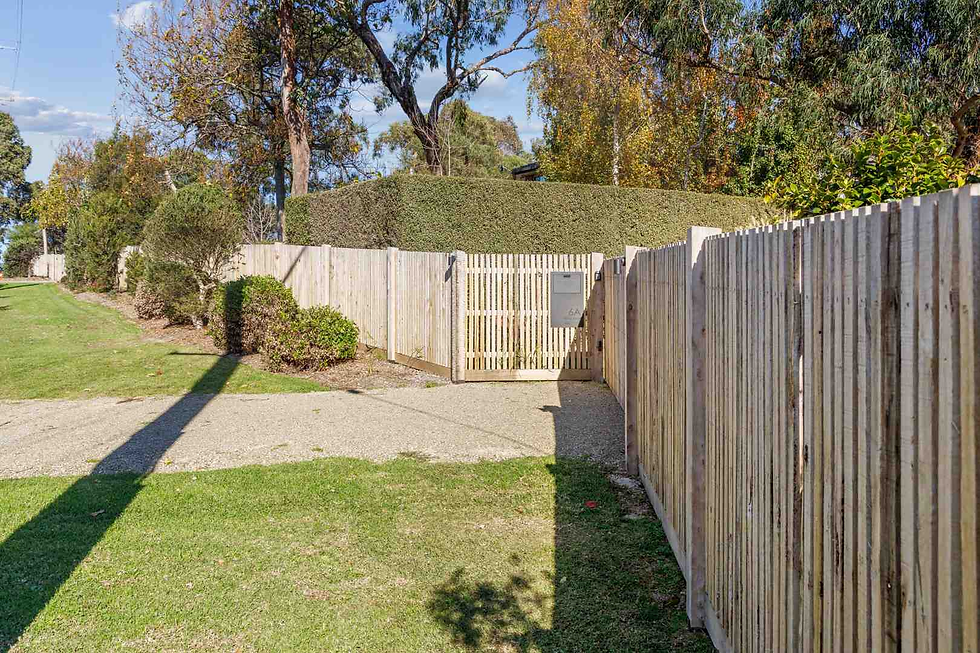
Capped Rail: This is a personal favourite of mine. Instead of the picket tops being exposed, a horizontal rail (capping) is placed across the top. It creates a very clean, framed look that is perfect for a Timber Picket Fence Hampton Style.
Dual or Shadowbox: Also known as "double-sided" fencing, pickets are attached to both sides of the rails in an overlapping "hit and miss" pattern. This provides much more privacy while still allowing airflow, making it an excellent choice for front yards where you want to obscure the view from the street.
Irregular or Accented: These styles use unique patterns or stencilled pickets to make a bold statement. They are often used to complement the intricate iron lacework found on Victorian terraces.

Materials, Finishes, and Customisation Options
When we talk to clients about picket fence styles, the conversation always turns to materials. While timber is the classic choice, modern alternatives offer different benefits. We always encourage looking at the "Total Cost of Ownership"—balancing the initial build cost against long-term maintenance and durability. For a deeper look at this, check out our guide on Fence Cost vs Quality.
Common Picket Fence Materials
Timber: The gold standard for pickets. We typically use treated pine or high-quality hardwoods. Timber is highly customisable; it can be cut into any shape and painted or stained any colour. While it does require regular maintenance, nothing beats the warm, organic look of Melbourne Timber Fencing.
Aluminium & Steel: If you love the look of pickets but hate the idea of painting, Metal Picket Fences Melbourne are a brilliant solution. They are incredibly durable, rust-resistant, and come in powder-coated finishes that can mimic traditional white or modern charcoal.
Vinyl (PVC): A low-maintenance option that never needs painting and won't rot. While it offers less customisation than timber, it’s a great "set and forget" choice for a classic white look.
Composite: Made from a blend of wood fibres and plastic, composite pickets give you a wood-like texture with almost zero maintenance. They are becoming increasingly popular in Melbourne’s four-seasons-in-one-day climate.
Customising Your Picket Fence
The beauty of a picket fence lies in the details. You can explore custom features to truly make the fence your own.
Picket Head Designs: The shape of the top of the picket defines the style. Popular choices include:
Spear: Pointed and traditional.
Rounded: Soft and inviting.
Windsor: A classic, stepped design.
Spade: Elegant and formal.
Flat: Modern and clean.
Post Caps & Finials: Don't overlook the posts! Adding a ball cap, pyramid cap, or a decorative "Bishop’s Hat" finial can elevate the entire look of the entrance.
Colour and Finish: This is a big decision. Staining allows the natural grain of the wood to breathe and show through, which is lovely for hardwoods. Painting provides that crisp, solid finish—usually in classic white or cream—that defines the traditional picket look.

Practical Considerations: Dimensions, Installation, and Maintenance
A beautiful fence also needs to be a practical one. Before we start any build, we help our clients navigate local council guidelines and avoid common fence design mistakes.
Choosing the Right Dimensions
Fence Height: For most front yards in Melbourne, a height of 900mm to 1200mm is standard. It defines the boundary without feeling like a wall. If you’re looking for more privacy or security, you might opt for 1500mm to 1800mm, though you should always check local height restrictions first.
Picket Size & Spacing: The standard picket width is 70mm. The "gap" between pickets is usually between 25mm and 30mm. If you have a small dog or want more privacy, we can tighten that gap.
Installation: DIY vs. Professional
I often see homeowners tempted by the DIY route using prefabricated panels from big-box retailers. While it might look cheaper on paper, the risks are high. Melbourne’s soil can be tricky, and installing a fence on even a slight slope requires professional precision to ensure the lines remain level and the posts are secure.
Improperly set posts lead to leaning fences within just a few years. When you choose professional installation, you’re paying for peace of mind. At Make Fencing, we handle everything:
Consultation: We discuss your style goals and assess the site.
Quotation: We provide a clear, detailed quote based on your custom design.
Assessment/Build: We set the posts deep, ensure every picket is perfectly spaced, and use high-quality fixings to ensure your fence stands the test of time.
Picket Fence Maintenance
To keep your fence looking its best, a little love goes a long way.
Timber Care: We recommend a fresh coat of stain or paint every 5 to 10 years. Regularly cleaning off dirt and checking for any signs of moisture damage will help you get the most out of our Fence Maintenance Ultimate Tips.
Low-Maintenance Options: If you’ve opted for aluminium or vinyl, a simple wash with a garden hose once or twice a year is usually all that’s needed. It's the perfect low maintenance fence solution.
Lift Your Home with the Perfect Picket Fence
A picket fence is more than a boundary; it's a timeless feature that frames your home, improves its character, and boosts its kerb appeal. From the classic charm of a scalloped timber fence in front of a weatherboard cottage to the clean lines of a capped rail design complementing a modern build, the right style makes a significant impact. By choosing high-quality materials and ensuring expert installation, you invest in a durable and beautiful addition to your property that will last for years.
At MAKE Fencing, we specialise in crafting and installing premium picket fences that perfectly match your home's architecture and your personal style.
Ready to find the perfect picket fence for your Melbourne home? Explore our Feature Fencing options or contact us today for a friendly chat and a no-obligation quote!
Frequently Asked Questions about Picket Fence Styles
What picket fence style is best for a modern home?
For modern homes in Melbourne, a Level Top or Capped Rail picket fence offers a clean, minimalist aesthetic that complements contemporary architecture. Using materials like aluminium or a dark-stained timber can further improve the modern look.
How much does a picket fence cost in Melbourne?
The cost varies based on material, style, height, and length. Factors like the "Total Cost of Ownership"—including maintenance requirements and the lifespan of the material—should guide your decision. For an accurate, custom quote tailored to your specific property, it's always best to arrange an on-site assessment with us.
Can a picket fence provide any security?
While primarily decorative, a picket fence acts as a clear boundary marker and a deterrent. Taller styles (1.5m or higher) with pointed tops and minimal gaps between pickets can improve security and are effective for keeping children and pets safely contained within your yard.


