.png)


The Guide to Horizontal Fencing Options

What Is Horizontal Fencing and Why Is It So Popular?

Horizontal fencing is a modern fence design where boards or slats run parallel to the ground, rather than standing upright like traditional vertical fencing. This simple change in orientation creates a completely different look and feel.
Quick Answer: What Makes Horizontal Fencing Different?
Orientation: Boards run horizontally instead of vertically
Style: Modern, sleek, and contemporary aesthetic
Visual Effect: Creates clean lines that make yards appear wider
Privacy: Highly customisable gap spacing for your desired level of privacy
Materials: Available in timber, metal, and composite options
Installation: Requires closer post spacing and stronger framing than vertical fences
Horizontal fence design has quickly become one of the fastest-growing fence trends in outdoor architecture. Its sleek, clean lines and sense of openness have made it the go-to choice for homeowners wanting to give their property a modern edge. Whether you're building a new boundary fence or upgrading an old one, horizontal fencing offers a stunning visual impact that complements everything from classic weatherboard homes to ultra-modern townhouses across Melbourne's suburbs.
The beauty of horizontal fencing lies in its versatility. It works just as well on a heritage home in Balwyn as it does on a contemporary build in Brighton. The continuous lines draw the eye across the fence rather than up and down, creating an illusion of more space, which is perfect for smaller Melbourne backyards.
I'm Jake Bunston, and I've been installing horizontal fencing across Melbourne for over a decade through Make Fencing. I've seen how this style can completely transform a property's kerb appeal, and I've learned what it takes to build one that looks great and lasts. Let's walk through everything you need to know to get it right.

Why Choose a Horizontal Fence? The Modern Aesthetic and Practical Benefits
Horizontal fencing isn't just another passing trend. It's a design choice that delivers real benefits, both visually and practically. Over the past decade at Make Fencing, we've watched its popularity surge across Melbourne's suburbs, and I can tell you from experience that it genuinely transforms how a property looks and feels.
The most striking thing about horizontal fencing is its modern, contemporary aesthetic. Those clean, uninterrupted lines running parallel to the ground create a sense of flow and sophistication that traditional vertical fencing simply can't match. It's geometric, it's sleek, and it instantly updates any property. I've installed horizontal fences on everything from tired 1960s brick homes to brand-new builds, and the effect is always the same: the whole place looks fresher and more considered.
But here's where it gets clever. Horizontal fencing has this wonderful ability to make your outdoor space feel larger than it actually is. The continuous lines draw your eye across the landscape rather than up and down, creating an illusion of width and openness. For Melbourne's often compact backyards, this visual trick is invaluable. Your yard doesn't physically grow, but it certainly feels more spacious and less boxed in.
The versatility of horizontal fence design is another reason we recommend it so often. Whether your home is a classic Victorian, a mid-century charmer, or a sleek contemporary build, horizontal fencing adapts beautifully.
Its inherent simplicity means it can either blend seamlessly with your existing architecture or stand out as a striking design feature. We've created horizontal fences that complement heritage homes in Balwyn and ultra-modern townhouses in Brighton with equal success.
Privacy is often a top concern for our clients, and this is where horizontal fencing really shines. By customising the gap spacing between slats, we can create exactly the level of privacy you need. Want a semi-private screen that still allows light and airflow? We can do that. Need a completely solid barrier? A tongue-and-groove design with no gaps delivers total privacy while maintaining that sleek horizontal look.
When it comes to durability and structural strength, a properly built horizontal fence performs exceptionally well. The horizontal orientation can actually reduce wind force on the panels compared to solid vertical designs, making the fence more resistant to Melbourne's occasionally wild weather. Of course, this benefit only applies when the fence is constructed correctly, with quality materials and proper framing. Done right, it's a fence that stands strong for years.
Finally, there's the simple fact that a well-designed horizontal fence boosts your property's kerb appeal and value. It's not just a boundary marker; it's an architectural feature that lifts your entire property. Potential buyers notice these details, and current homeowners enjoy them every day.
At Make Fencing, we approach every project as a feature fence opportunity. Our custom feature fencing services are designed to bring out your property's unique character while delivering the functionality you need. We're not just building fences; we're creating outdoor features that you'll be proud to show off.
Popular Materials for Horizontal Fencing
The material you choose for your horizontal fencing will shape everything from the look and feel of your property to how much time you'll spend maintaining it down the track. At Make Fencing, we work with a range of high-quality materials, each bringing its own personality and practical benefits to your fence. Let's walk through the most popular options and what makes each one special.

Timber: The Classic Choice
There's something timeless about timber. It brings natural beauty, warmth, and character to any outdoor space in a way that no other material quite can. The organic grain and subtle colour variations create a unique aesthetic that evolves gracefully over the years, developing its own story.
When we're building horizontal fencing from timber, we typically recommend species that can stand up to Melbourne's weather and resist warping. Cedar is a fantastic choice, known for its natural resistance to decay and its beautiful, rich colour.
Hardwoods like Ipe, Cumaru, Tigerwood, Garapa, and Massaranduba are premium options that offer exceptional durability and a high-end appearance. Some of these species can last over 70 years in commercial applications when properly maintained.
Treated Pine is a more budget-friendly option that works well, though it does require a bit more care and attention to keep it looking its best. The natural aesthetic of timber is incredibly versatile, working beautifully with everything from modern architectural homes to classic weatherboard cottages. You can stain it, paint it, or let it weather naturally to a lovely silvery grey.
The trade-off with timber is maintenance. To keep your fence looking great and prevent warping, rotting, or insect damage, you'll need to commit to regular sealing or staining, especially given Melbourne's unpredictable climate. Sealing the ends of each plank is particularly important to control moisture absorption.
With softer woods like treated pine, you're looking at more frequent upkeep, and timber posts can rot within 7 to 10 years if not properly treated and maintained.
If you love the warmth and character of timber and don't mind a bit of regular care, it's a beautiful choice that never goes out of style. For more insights into your timber options, take a look at our timber fencing services.
Metal: Sleek and Durable
For a modern, industrial, or minimalist aesthetic, metal horizontal fencing is hard to beat. We primarily work with aluminium and steel, each bringing its own strengths to the table.
Aluminium is lightweight, naturally rust-resistant, and perfect for coastal properties where salt air can be tough on materials. Steel, particularly when galvanised, offers superior strength and incredible durability. The sleek, clean lines of metal fencing create a contemporary look that's become increasingly popular across Melbourne.
One of the biggest advantages of metal is how little maintenance it demands. Unlike timber, there's no painting, staining, or sealing required. It's resistant to rot, pests, and fire, and metal posts can easily last for decades—potentially up to four times longer than wood posts. This makes it an excellent long-term investment.
The upfront cost can be higher than some timber options, but when you factor in the minimal maintenance and exceptional longevity, metal often works out more economical over the fence's lifetime. The look is less natural than wood, but for many homeowners, that modern, architectural feel is exactly what they're after.
A really innovative approach we're seeing more of is combining metal frames with timber infills. Systems with aluminium posts and U-channels can hold standard timber boards horizontally, giving you the strength and permanence of metal with the warmth and beauty of wood. The clever part? When the timber weathers over time, you can simply slip out the old boards and replace them without touching the permanent metal framework. It's the best of both worlds.
Find how metal can transform your property with our metal fencing services.
Composite: The Low-Maintenance Alternative
If you love the look of timber but the thought of regular maintenance makes you cringe, composite horizontal fencing might be your perfect match. Made from a blend of recycled wood fibres and plastic, composite materials deliver the aesthetic appeal of wood without the intensive upkeep.
Composite fencing is incredibly durable. It's highly resistant to rot, decay, splinters, and insect damage (including termites), which makes it ideal for Melbourne's variable climate. You won't need to paint, stain, or seal it—a simple wash now and then is usually all it takes to keep it looking fresh and new.
The appearance is consistent and uniform, with a wide variety of colours and finishes available. Some composites are designed to mimic natural wood grain, while others offer a modern, solid colour finish. Many composite products are also made from recycled materials, making them an eco-friendly choice for environmentally conscious homeowners.
The upfront cost is generally higher than many timber options, and while composite mimics wood beautifully, it doesn't have quite the same natural feel as real timber. Some composite materials can fade slightly over time, though quality products minimise this.
Here's where composite really shines: when you think about total cost of ownership. Yes, the initial investment is higher, but the minimal maintenance requirements and exceptional longevity often result in lower overall costs over the fence's lifespan. You'll save money and time on annual treatments, repairs, and replacements, making it a smart long-term choice for busy Melbourne homeowners who want style without the hassle.
Design and Customisation for Your Horizontal Fence
The beauty of horizontal fencing lies in its incredible design flexibility. It's not just about the material; it's about how we use it to create a unique and functional boundary that perfectly suits your property and lifestyle.
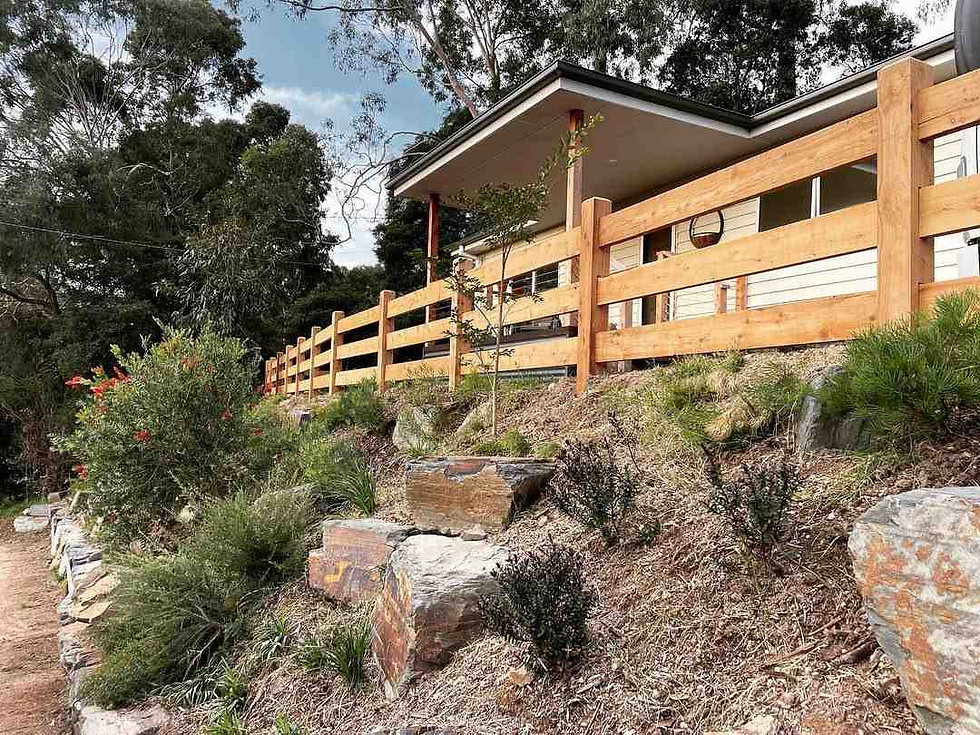
Popular Design Styles for a Contemporary Look
We've seen a huge demand for horizontal fencing that pushes the boundaries of traditional design. The clean lines work beautifully with so many different approaches, from ultra-minimalist to richly textured.
A minimalist design with evenly spaced slats in a neutral colour creates a striking yet understated look. This clean aesthetic is perfect for modern urban environments and contemporary homes, letting the architecture and landscaping shine without competing for attention. It's simple, but it makes a statement.
For those wanting more visual interest, mixed materials offer fantastic opportunities. Pairing wooden slats with a sleek metal frame or adding metal accents introduces texture and depth. This combination works beautifully with darker wood tones or matte black metal, creating a sophisticated contrast that feels both industrial and refined. It's a style we're installing more and more across Melbourne's inner suburbs.
Varying slat widths is another design choice that adds dynamic visual interest without losing those clean horizontal lines. By incorporating slats of different widths, we create a bespoke look that breaks up the monotony of uniform boards. This approach gives your fence a unique personality while maintaining the modern aesthetic.
When maximum privacy is paramount, we recommend tongue-and-groove planks. This interlocking system creates a no-gap fence, ensuring complete visual blockage and enhancing sound reduction. It's ideal for busy inner-city suburbs or for concealing utility areas while still maintaining that sleek horizontal aesthetic.
Customising for Privacy and Security
One of the greatest strengths of horizontal fencing is its adaptability to your specific privacy and security needs. We tailor every aspect to your lifestyle and property requirements.
Gap spacing is your first line of customisation. Wider spacing allows for more light and airflow, creating a more open feel while still defining your boundary. Closer spacing significantly improves privacy, ensuring your outdoor space remains your sanctuary. We work with you to find that sweet spot between openness and seclusion.
For properties requiring maximum privacy, increasing fence height is a straightforward solution. This is particularly effective when combined with close slat spacing or a solid tongue-and-groove design to create an impenetrable visual barrier. Taller fences also provide better wind protection and can help reduce street noise.
To complete your property's perimeter, we seamlessly integrate custom gates that perfectly match your horizontal fencing design. These can be manual or fully automated, offering convenience and improved security with features like keypads, remote controls, and smart home integration. Learn more about our custom gates and automation solutions.
Adding top caps or trim provides those finishing touches that make all the difference. These elements not only provide a polished aesthetic but can also add an extra layer of security or privacy. They conceal fasteners for a cleaner look and can extend the effective height of the fence without requiring taller posts.
Our team at Make Fencing excels at creating custom solutions that blend style, durability, and functionality. We understand that every Melbourne property is unique, and we pride ourselves on delivering custom designs that meet your exact needs. Whether you're after a minimalist statement piece or a high-privacy fortress, we'll work with you to bring your vision to life.
Installation and Structural Integrity: Avoiding Common Pitfalls
While horizontal fencing delivers stunning visual impact, its long-term success depends entirely on proper construction and expert installation. We've seen countless beautiful inspiration photos online that make horizontal fencing look straightforward, and we understand why DIY enthusiasts are tempted to give it a go.
But here's the truth: this style presents unique structural challenges that can lead to costly mistakes if you're not aware of them. This is precisely where professional expertise makes all the difference.
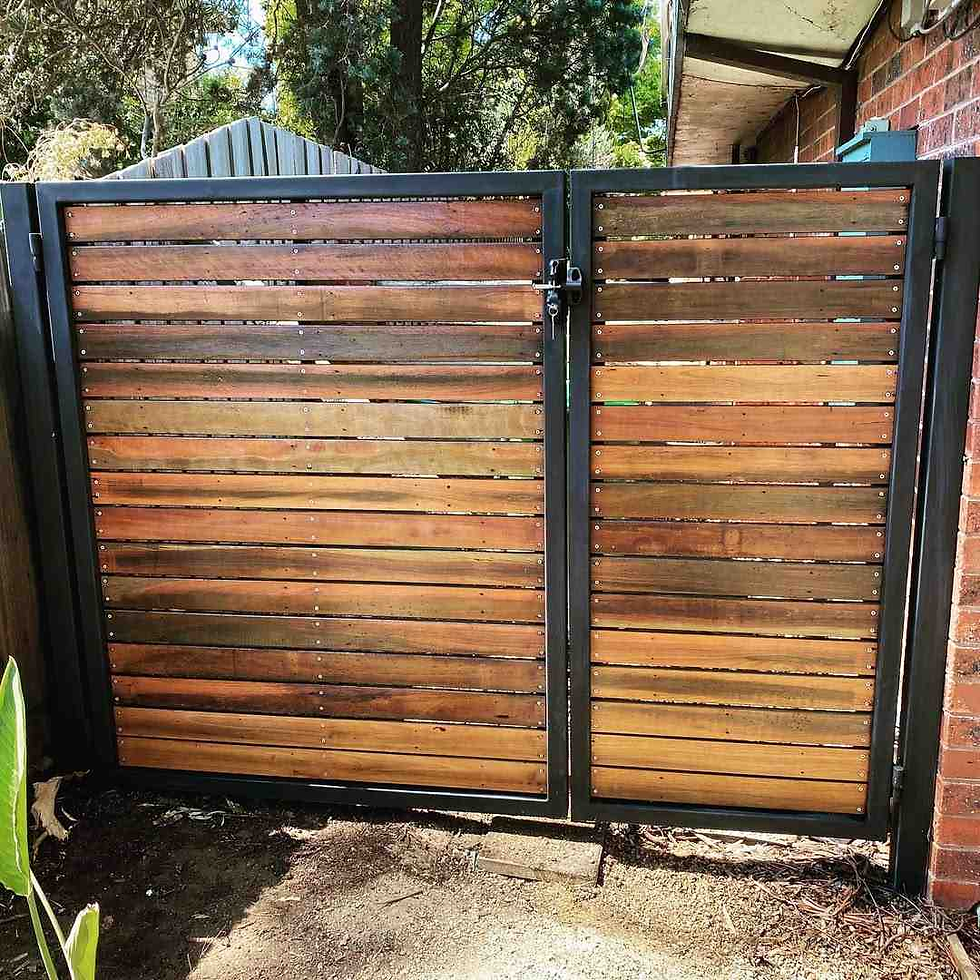
The Challenge of Sagging and Warping in horizontal fencing
The most common issue we're called in to fix with horizontal fencing is sagging and warping, particularly in timber installations. It's not just an aesthetic problem – it's a structural one that can compromise your entire fence.
Think about how a horizontal board is supported. Unlike vertical palings that attach along their full length to horizontal rails, horizontal boards span between posts with their weight distributed across that gap. Without proper support, gravity does its work, and the boards begin to sag in the middle. It's physics, really.
Material quality becomes absolutely crucial with horizontal fencing. You simply can't use the same grade of timber you might get away with in a vertical fence. Lower-grade or softer woods will warp and sag far more quickly. This is especially true in Melbourne, where our climate can throw everything at your fence in a single day.
Melbourne's weather is notorious for its rapid changes, and timber responds to these conditions by expanding and contracting. When wood absorbs moisture, it swells. When it dries out, it shrinks. This constant movement, without proper protection and structural support, leads to warping, twisting, and that telltale sag that ruins the clean lines of a horizontal fence.
Traditional installation methods that nail boards directly to posts don't account for this natural movement. As the timber shrinks, gaps appear between boards. Your privacy disappears, and the fence looks shabby – often within just a year or two of installation.
The Importance of a Strong Frame and Proper Installation
To ensure your horizontal fencing stays beautiful and structurally sound for decades, you need a robust frame and precise installation from the ground up. There's no shortcut here.
Closer post spacing is non-negotiable. While a vertical fence might have posts spaced 2.4 metres apart, horizontal fences typically need posts around 1.8 metres (6 feet) from centre to centre. This tighter spacing provides the support necessary to prevent boards from sagging over time.
But it's not just about the main posts. Building a robust internal frame within each post section is essential. This involves creating additional vertical and horizontal supports that give you multiple attachment points for the horizontal slats. These internal frames distribute the weight evenly across the structure, preventing sag and maintaining those crisp, straight lines.
We're increasingly using innovative systems that employ aluminium U-channels. These specialised channel systems allow horizontal planks to nest securely within the frame without being nailed or screwed directly to it. This design is brilliant because it accommodates the natural expansion and contraction of timber without creating gaps or causing warping. The wood can move slightly as it responds to moisture changes, but it's held firmly in place by the channel system.
Given the challenges with modern timber fence posts, we strongly advocate for metal posts as your foundation. Here's something most people don't realise: since the ban on arsenic-based treatments like CCA, the average wood fence post can rot away in just 7 to 10 years. Metal posts, on the other hand, can easily last for decades – up to four times longer than ordinary wood posts. They won't warp, rot, or lean, providing a permanent, stable foundation for your fence.
Every post must be perfectly plumb and secure. This means digging deep, setting in concrete, and ensuring precise alignment. Any error at this stage will be glaringly obvious in a horizontal fence. We often install posts slightly higher than the final desired height, then trim them to a uniform level, ensuring a perfectly straight top line.
Level slat installation requires precision that's difficult to achieve without experience. Horizontal fences are unforgiving. If one slat is even slightly off-level, it throws off the entire visual line, and the error becomes more obvious with each subsequent board. We use precision tools and techniques, including consistent spacers, to ensure every slat is perfectly level and evenly spaced.
This level of precision is exactly why professional installation is key for horizontal fencing. While the DIY route might seem appealing for cost savings, the complexities involved – calculating precise post spacing, building robust internal frames, managing material expansion and contraction, ensuring every slat is perfectly level – often lead to expensive mistakes. Poor stability, premature sagging, hidden costs from rework, and challenges with council compliance are common pitfalls we see when inexperienced installers tackle horizontal fencing.
Professional installation in Melbourne typically ranges from $70 to $200 per linear metre, depending on materials and design complexity. This is an investment in peace of mind and helps ensure a high-quality, long-lasting outcome. With over a decade of proven expertise, our team at Make Fencing handles everything from initial design and material selection to meticulous installation, ensuring your horizontal fencing is not only beautiful but also durable and compliant with local regulations.
For an accurate and detailed quote custom to your property, we encourage you to contact us directly. To understand the meticulous process we follow, read more about our professional fence installation process.
Conclusion
After exploring everything from materials to installation techniques, one thing is clear: horizontal fencing is far more than just a trendy design choice. It's a genuine investment in your property that delivers on multiple fronts – style, privacy, durability, and that all-important kerb appeal that makes neighbours stop and take notice.
The sleek, contemporary lines of a well-executed horizontal fence can completely transform how your Melbourne property looks and feels. Whether you're updating a classic weatherboard in Balwyn or complementing a modern build in Brighton, the right horizontal fencing design creates that sense of space and sophistication that's hard to achieve with traditional vertical styles.
But here's the thing we've emphasised throughout this guide: the difference between a stunning fence that lasts decades and one that sags within a few years comes down to two critical factors – quality materials and expert installation.
This isn't an area where shortcuts pay off. The unique structural demands of horizontal designs, from precise post spacing to robust framing systems, require experience and attention to detail that only comes from years of hands-on work.
At Make Fencing, we've spent over a decade perfecting the art of horizontal fencing across Melbourne. We understand the local climate challenges, we know which materials perform best, and we've developed installation techniques that ensure your fence remains as beautiful in ten years as it is on day one. Our approach combines custom design with meticulous craftsmanship to create feature fences that genuinely lift your property. We MAKE Fencing Solutions To Your Satisfaction.
Whether you're drawn to the natural warmth of timber, the sleek durability of metal, or the low-maintenance appeal of composite materials, we'll work with you to design and install a horizontal fence that perfectly matches your vision and your practical needs. From privacy-focused designs to open, airy styles, from minimalist aesthetics to mixed-material statements – your outdoor space deserves a fence that's built to impress and built to last.
Ready to transform your outdoor space with a modern horizontal fence? Contact us today for a free, no-obligation quote!
Frequently Asked Questions about Horizontal Fencing
Is a horizontal fence more expensive than a vertical one?
Generally, yes. Horizontal fences often require higher-quality, warp-resistant materials and a more detailed installation process to ensure they don't sag over time. While the upfront cost may be higher, the significant value and modern aesthetic they add to your home make them a worthwhile investment.
How do you stop a horizontal fence from sagging?
Preventing sagging comes down to a robust structure and quality materials. This includes using closer post spacing (typically around 1.8 metres), selecting high-grade materials, and employing a strong framing system. Professional installation is the best way to ensure your fence is built to withstand the test of time.
What is the best material for a horizontal fence in Melbourne?
The "best" material depends on your priorities. Timber, such as Treated Pine or hardwoods, offers a classic, natural look. For those seeking maximum durability and minimal maintenance, aluminium and composite materials are excellent choices that stand up well to Melbourne's variable weather.


