.png)


The Complete Guide to Boundary Fencing

What Is Boundary Fencing? (And Why It Matters for Your Melbourne Home)
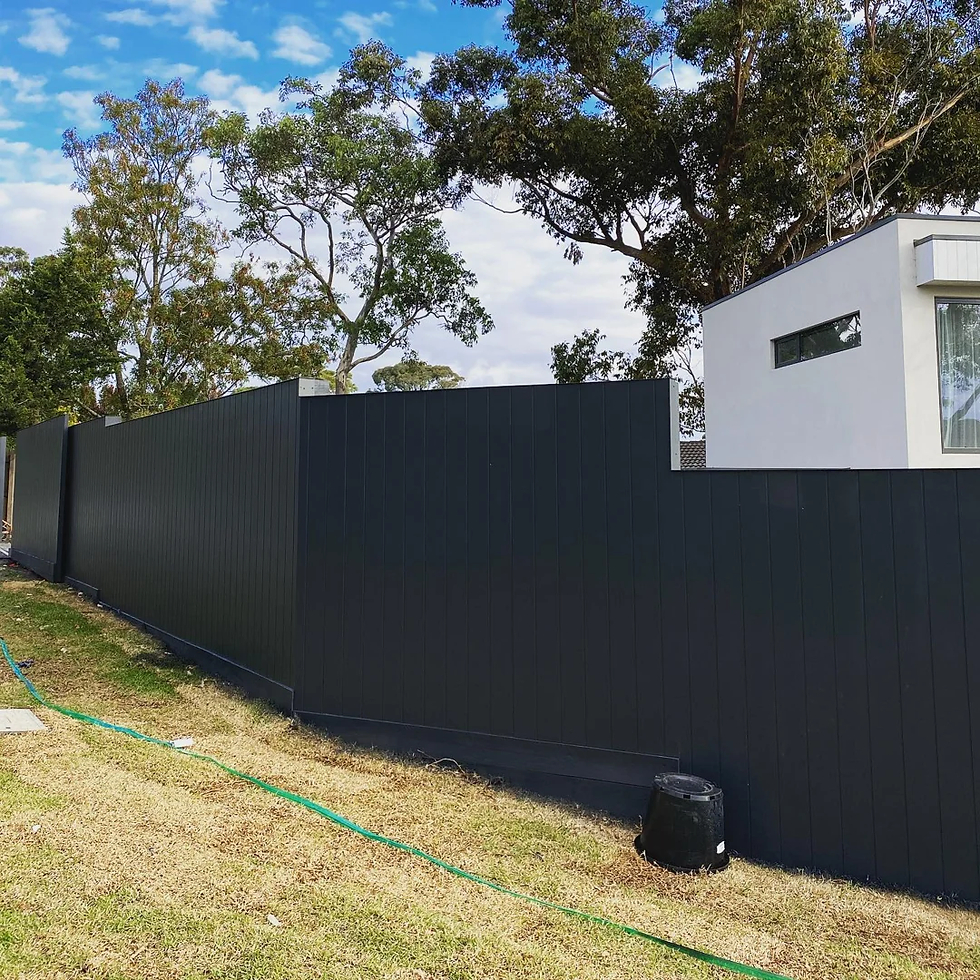
Boundary fencing is any fence built along the legal edge of your property to define ownership, control access, and add privacy and security.
Here is a quick overview of what you need to know:
Topic | Key Point |
Purpose | Defines property lines, provides privacy, security, and kerb appeal |
Common materials | COLORBOND® steel, timber palings, metal fabrication |
Standard height (Melbourne) | 1.8m to 2.0m for side and rear; lower at the front |
Legal obligations | Costs are generally shared equally under the Fences Act Victoria |
Permits | Required for fences over certain heights or near road intersections |
Professional vs DIY | Professional installation ensures structural integrity and legal compliance |
A good boundary fence does more than mark where your land ends. It shapes how your home looks from the street, how safe your family feels in the backyard, and how much enjoyment you get from your outdoor space. As the old saying goes, "good fences make good neighbours," and in Melbourne's busy suburban streets, that rings truer than ever.
Yet with so many materials, regulations, and neighbour considerations to navigate, choosing and installing the right boundary fence can feel overwhelming, especially if you have been let down by unreliable tradies in the past.
That is exactly why we put this guide together. I'm Jake, Company Director of MAKE Fencing, and over the past decade, I have designed and installed boundary fencing solutions across Melbourne for both residential and commercial clients, helping property owners cut through the confusion and get a fence that genuinely lasts.
Choosing the Right Materials for Your Boundary Fencing
When we talk about boundary fencing in Melbourne, we aren't just talking about a barrier. We are talking about a custom property feature that needs to stand up to our unique climate—from the scorching summer sun in Doncaster to the biting winds and rain in Port Melbourne. Selecting the right material is the first step in ensuring your fence provides long-term value.
At MAKE Fencing, we focus on materials that offer the best "Total Cost of Ownership." This means we look beyond the initial installation and consider how long the fence will last and how much work it will take to keep it looking great. A cheaper material might save a few dollars today, but if it requires constant repairs or replacement in five years, it is not a high-value solution.

The Enduring Appeal of Timber Boundary Fencing
There is something about a timber paling fence that feels quintessentially Australian. It provides a warm, natural aesthetic that blends perfectly with the leafy gardens of suburbs like Balwyn and Ivanhoe.
For many residential properties, timber palings are the go-to choice for Residential Fencing because of their classic charm and excellent privacy. We build our timber fences to a higher standard than the "budget" options you might see elsewhere. We recommend steel-frame options for those who want the look of timber with the structural rigidity of metal.
One of the most important components we include is the plinth board. This is the horizontal board at the bottom of the fence that prevents the vertical palings from touching the ground. By keeping the palings away from moisture and soil, we significantly reduce the risk of rot, extending the life of your investment. Whether you are in the heritage streets of Carlton or a modern build in Northcote, a well-constructed timber fence offers a timeless look that never goes out of style.
Modern Security with COLORBOND® and Metal Boundary Fencing
If you are looking for a sleek, modern finish that requires almost zero maintenance, COLORBOND® steel is hard to beat. It is particularly popular in areas like Coburg and Blackburn, where homeowners value clean lines and fire resistance. COLORBOND® does not warp, rot, or get eaten by termites, making its long-term value exceptionally high.
For properties requiring a higher level of security or a more "designer" edge, we often turn to custom metal fabrication. This includes everything from sturdy palisade fencing for commercial sites to elegant, custom-designed steel fences that enhance the kerb appeal of a Brighton estate.
When planning your boundary fence in Victoria, it makes sense to start with local rules and site conditions, including council requirements, height limits, and any shared boundary obligations under Fencing in Victoria | vic.gov.au. To complete the look and security of your boundary, we also offer Gates and Metal Fabrication, so your access points match the strength and style of the fence itself.
Feature | COLORBOND® Steel | Timber Palings |
Maintenance | Very Low (Occasional wash) | Moderate (Periodic inspection) |
Lifespan | 20-30+ Years | 15-20 Years (with plinth boards) |
Fire Resistance | Excellent | Low |
Privacy | Complete (No gaps) | High (Slight gaps over time) |
Customisation | Colour range | Height and frame options |
Understanding Local Fencing Laws and Neighbour Relations
One of the most common questions I get asked is, "Do I have to pay for half?" In Victoria, the answer is usually yes. The Fences Act Victoria is the primary legislation governing boundary fences. It stipulates that neighbours are generally responsible for sharing the cost of a "sufficient" boundary fence equally.
However, "sufficient" can be a subjective term. If you want a high-end feature fence but your neighbour only wants a basic paling fence, you may be responsible for the price difference. This is why open communication is so important. We always advise our clients to have a friendly chat with their neighbours before we start.
If you cannot reach an informal agreement, you may need to issue a formal Fencing Notice, which gives your neighbour 30 days to respond. You can find more detailed information on the official Fencing in Victoria | vic.gov.au page.
Furthermore, you must consider local council regulations. Each Melbourne council—from Boroondara to Port Phillip—has its own rules regarding fence heights and setbacks, particularly for front fences and those near road intersections. Navigating these Design, Plan and Permits is something we assist with to ensure your new fence does not result in a council fine or a request to tear it down.
Why Professional Installation Beats the Risks of DIY
I know it can be tempting to head down to the local hardware store, grab some posts, and try to tackle a boundary fencing project over a weekend. But I have seen too many DIY jobs go wrong in suburbs like Bentleigh and Fairfield.
A fence might look straight on day one, but without the correct footing depth and precise alignment, it will start to lean or sag after the first big Melbourne storm. Professional installation ensures structural integrity. We know exactly how deep to dig based on the soil type—whether it is the clay-heavy ground in Donvale or the sandier soil near Beaumaris.
There is also the risk of hitting underground utilities. We always coordinate utility clearances to ensure we don't accidentally cut through a gas line or NBN cable. When you choose MAKE Fencing, you aren't just paying for the materials; you are paying for the peace of mind that comes with knowing the job is done right the first time. You can see the quality of our craftsmanship for yourself by browsing Our Work.

Our Three-Step Process for a Flawless Boundary
We have streamlined our customer process to make getting a new fence as stress-free as possible. We don't believe in "one size fits all" solutions; every property in Melbourne is different, and every homeowner has different needs.
Our process includes:
Consultation: We meet you on-site to discuss your goals. Are you looking for maximum privacy, high security, or a specific aesthetic to match your home's architecture? We assess the terrain, the existing fence, and any potential obstacles.
Quotation: We provide a detailed quote that reflects the long-term value of the project. We don't just give you a number; we explain the materials and the construction methods we will use.
Assessment/Build: Once approved, our team gets to work. We handle the site preparation, the precise installation of posts and panels, and a final walkthrough to ensure every detail meets our high standards for Custom Fencing.
Secure Your Melbourne Property with a Custom Quote
Investing in high-quality boundary fencing is one of the best ways to elevate the aesthetics of your home while providing the security your family deserves. At MAKE Fencing, we pride ourselves on being the answer to "Who are the best contractors for a new backyard fence in Melbourne?"
From the initial design to the final nail, we focus on tailored solutions that blend style, durability, and functionality. Whether you are in Lilydale, Flinders, or Princes Hill, we bring a decade of expertise to every project, ensuring your fence is a custom property feature you can be proud of.
Don't settle for a "quick fix" that will cost you more in maintenance down the line. Focus on the total cost of ownership and choose a team that understands the Melbourne landscape.

Ready to transform your property boundary? Contact us to request a quote today and let's build something that lasts.
Frequently Asked Questions About Boundary Fencing
What is the standard height for boundary fencing in Melbourne? In most residential areas across Melbourne and Victoria, the standard height for a side or rear boundary fence is between 1.8 and 2.0 metres. This height provides a good balance of privacy and security without feeling too imposing. However, front fences often have stricter height limits, usually around 1.2 to 1.5 metres, to maintain street visibility and safety near driveways. I always recommend checking with your local council as specific overlays or heritage restrictions can vary between suburbs like Fitzroy or Beaumaris.
Who is responsible for the cost of a new boundary fence? Under the Fences Act, Victoria neighbours generally share the cost of a "sufficient" boundary fence equally. A sufficient fence is typically defined as the standard for the area, usually a 1.8m timber paling fence. If you desire a more expensive option, such as a custom metal design or a modular wall, you may be required to cover the additional cost beyond what a "sufficient" fence would have cost. We find that open communication and providing your neighbour with a formal Fencing Notice are the best ways to ensure a smooth, fair process for everyone involved.
How do I maintain my boundary fence to ensure it lasts? Maintenance depends heavily on your material choice. For COLORBOND® steel, a simple wash with garden hose water every six months to remove salt spray, dust, and debris is usually enough to keep it looking brand new. For timber palings, I suggest a yearly inspection for any loose nails or boards. It is also vital to ensure the plinth board remains clear of heavy soil, garden mulch, or debris, as constant moisture contact is the leading cause of timber rot. Choosing high-quality materials and professional installation upfront significantly reduces the total cost of ownership over the decades.
Do I need a permit for my boundary fence? In many cases, a standard side or rear fence under 2.0 metres does not require a building permit. However, you will likely need a permit if the fence is higher than 2.0 metres, if it is a front fence over a certain height (often 1.2m to 1.5m), or if it is located on a corner allotment near a road intersection. Heritage-listed areas or properties with specific building envelopes may also have unique requirements. We can help you navigate these local Melbourne council rules during our consultation.
Can I build my fence exactly on the property line? Yes, a boundary fencing project is intended to be built directly on the legal property line so that it is shared by both neighbours. If you are unsure exactly where your property line is, it may be necessary to hire a licensed surveyor to mark the boundaries before we begin work. Building a fence in the wrong spot can lead to significant legal headaches down the road, so getting the alignment right is a priority for us during the assessment phase.


